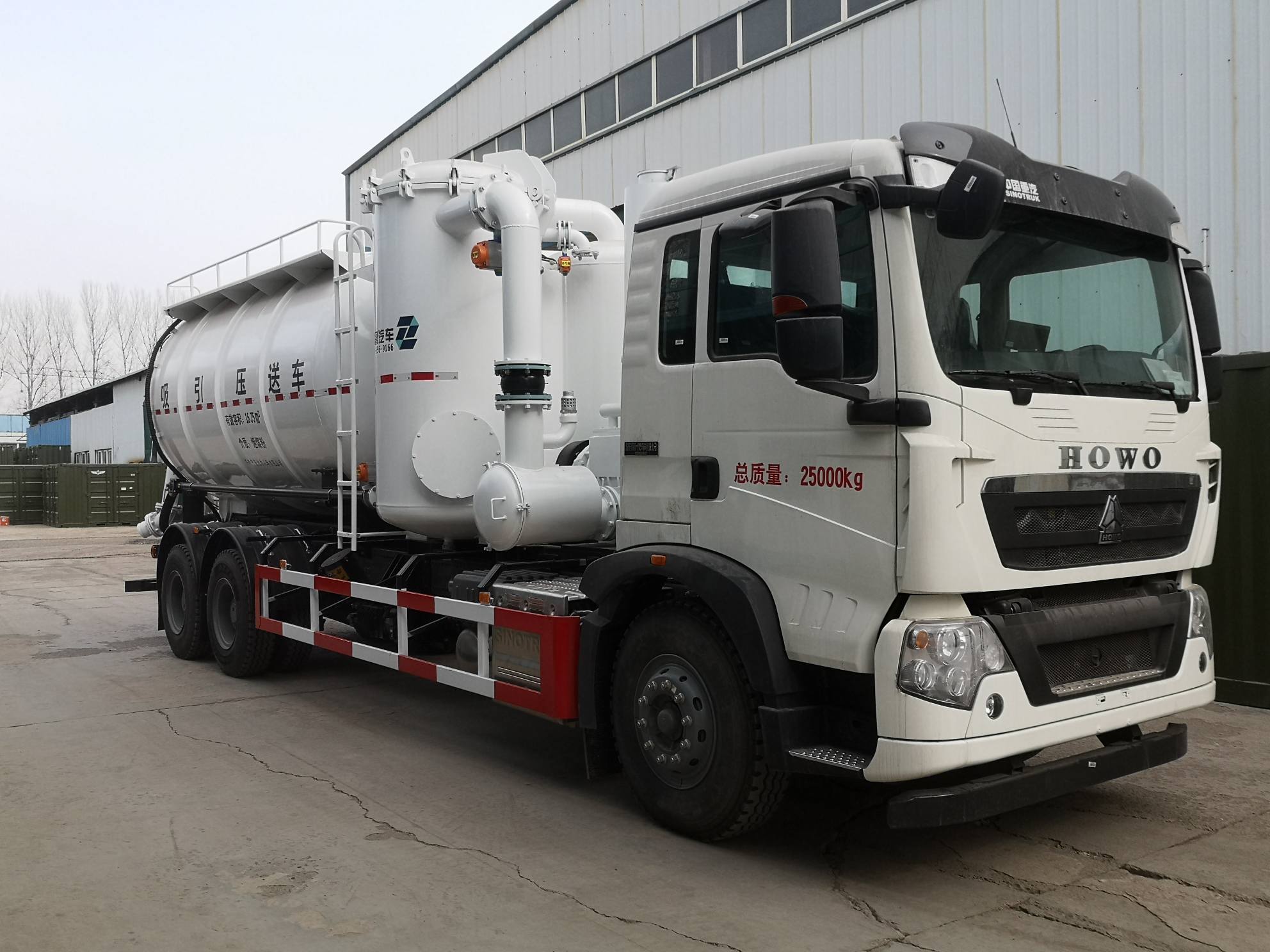
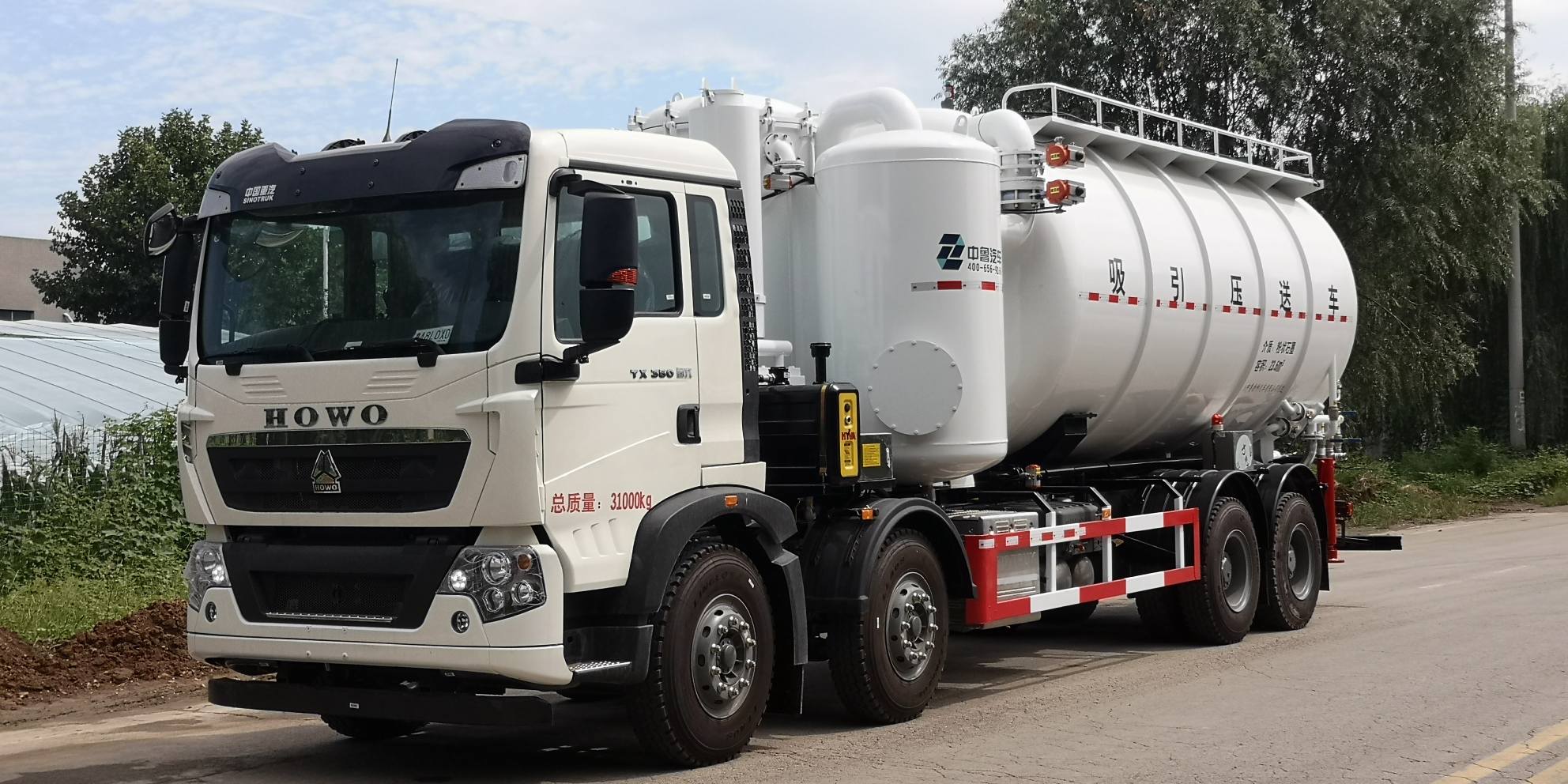
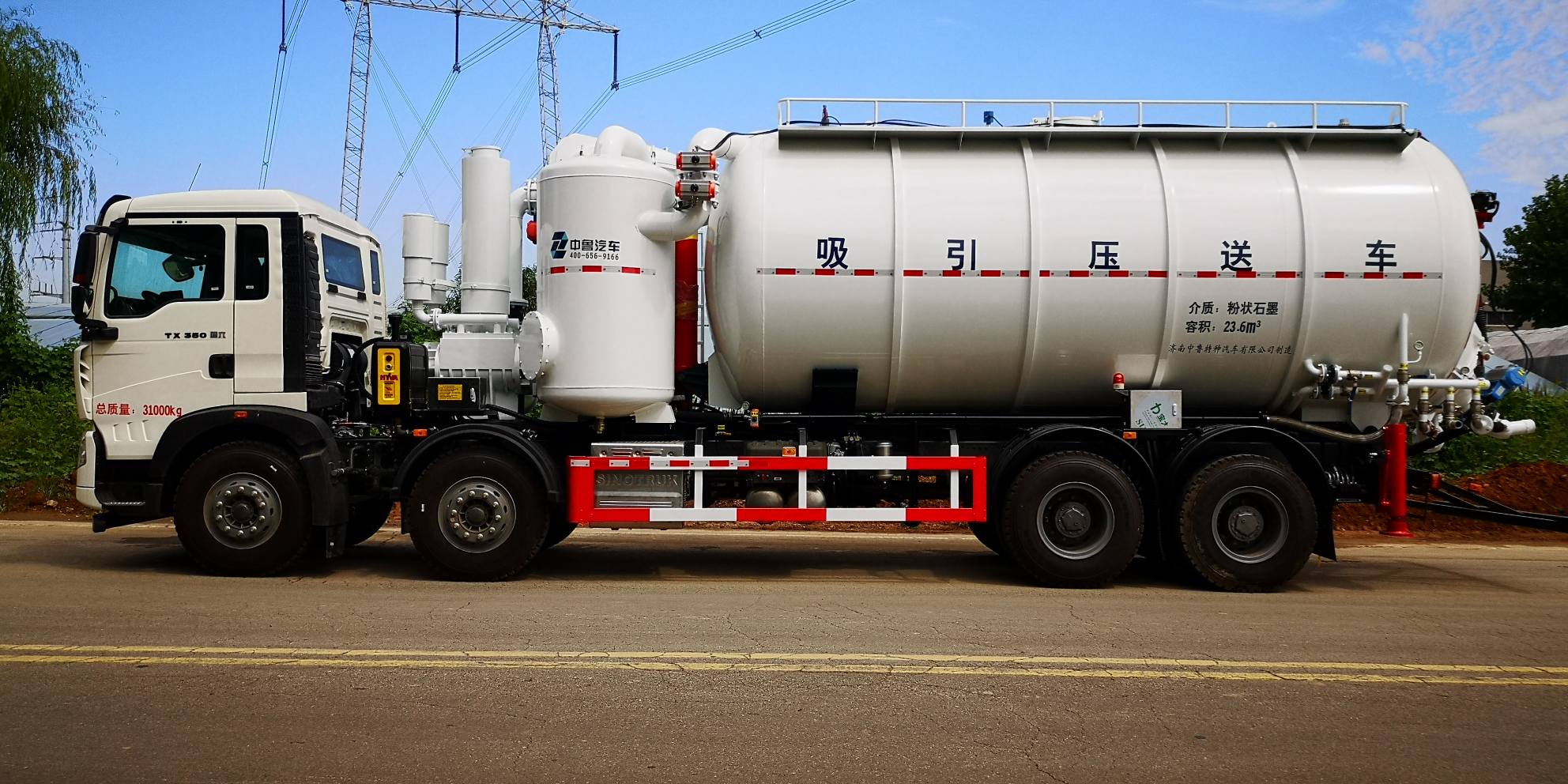
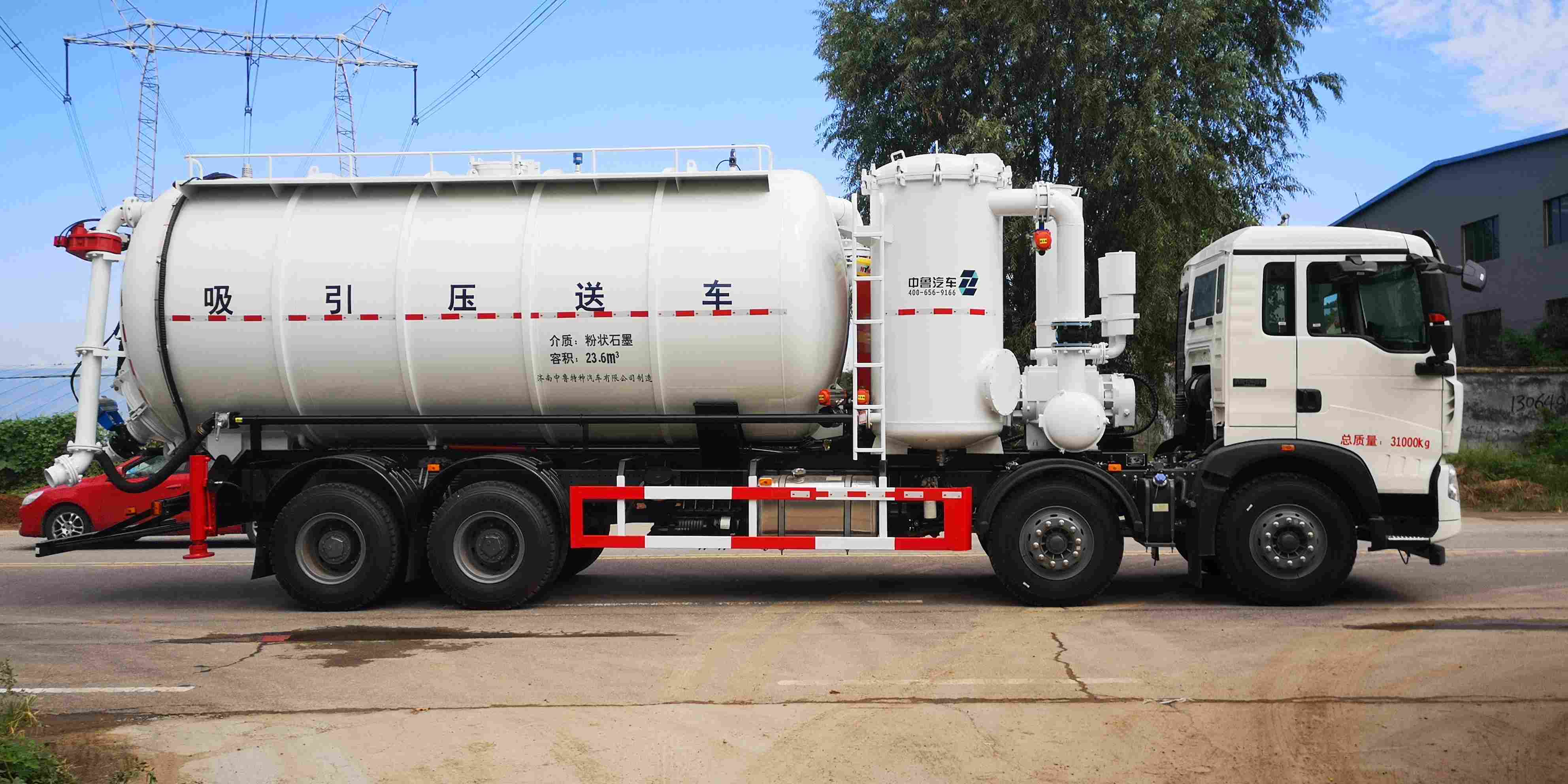
Транспортное средство для всасывания и разгрузки отрицательного давления
1. Благодаря своей уникальной технической конструкции, машина для всасывания и разгрузки отрицательного давления имеет значительные преимущества в эффективности работы, экологических характеристиках, удобстве эксплуатации и других аспектах.
2. Экологичность и отсутствие утечек, экологичность и эффективность.
3. Высокая эффективность работы и высокая адаптируемость.
4. Удобство эксплуатации, безопасность и надежность.
5. Удобное обслуживание и контролируемая стоимость.
1.Транспортное средство для всасывания и разгрузки отрицательного давления представляет собой транспортное средство специального назначения, сочетающее в себе всасывание отрицательного давления, герметичную транспортировку и разгрузку положительного давления.Он основан на технологии вакуумного отрицательного давления и принципе пневматической транспортировки положительного давления с воздухом в качестве транспортного носителя для реализации эффективной, экологически чистой и герметичной транспортировки порошкообразных и сыпучих материалов.Он широко используется в коммунальном строительстве, переработке промышленных отходов, строительных материалах, минеральных ресурсах, зерне, химическом сырье и других областях, особенно подходит для транспортировки на месте пыли, десульфураторов и других порошкообразных материалов в сталелитейной, чугунолитейной, агломерационной и других отраслях промышленности.Его также можно использовать для транспортировки сыпучих порошкообразных материалов на большие расстояния, полностью решая такие проблемы, как разлет пыли, потери материала и низкая эффективность работы в традиционном процессе транспортировки порошкообразных материалов, и он является одним из основных устройств в современной транспортной системе, обеспечивающей защиту окружающей среды.
2.Все транспортное средство имеет закрытую конструкцию во время работы, без утечки и разлета пыли в течение всего процесса всасывания, транспортировки и разгрузки. Материалы не находятся в прямом контакте с воздухом, что не только позволяет избежать загрязнения окружающей среды, но и снижает потери материала, отвечая действующим строгим стандартам защиты окружающей среды. В то же время он оснащен независимой системой циклона и рукавного фильтра, а отфильтрованную пыль можно возвращать в резервуар для повторного использования ресурсов и дальнейшего улучшения экологических преимуществ.
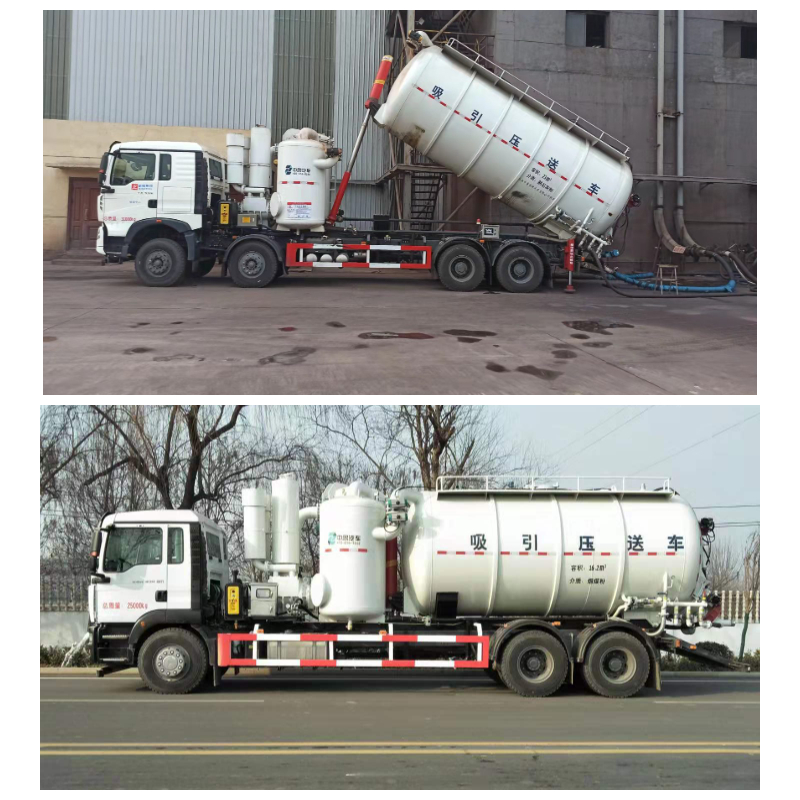
3. Для создания стабильного отрицательного давления используется мощный вакуумный насос, степень вакуума обычно поддерживается на уровне от -0,05 до -0,08 МПа, скорость всасывания высокая, а разгрузка осуществляется с помощью пневматической транспортировки с положительным давлением, значение давления контролируется на уровне 0,2-0,4 МПа, разгрузка эффективна и плавна, скорость всасывания и разгрузки обычно не менее 30 т/ч, а уровень остаточного материала составляет ≤0,2%, что значительно сокращает время работы. и повышает эффективность транспортировки. Его можно адаптировать к различным порошкообразным и гранулированным материалам, включая пыль, летучую золу, зерно, химический порошок и т. д. Диапазон адаптации насыпной плотности материала составляет 0,5-2 (т/м³), максимальный размер частиц составляет ≤3-5 мм (не более 10%), содержание воды составляет ≤10%, а материалы без вязкости и легковоспламеняющиеся компоненты могут эффективно транспортироваться, адаптируясь к эксплуатационным потребностям различных отраслей промышленности.
4. Он использует электропневматический режим работы ПЛК, и весь процесс может осуществлять автоматическое управление. Процесс работы (создание вакуума → всасывание материала → закрытие системы → создание давления → выпуск материала) не требует слишком большого ручного вмешательства, операция проста и понятна, что снижает трудоемкость операторов, и в то же время имеет полные функции защиты для повышения безопасности работы. Корпус резервуара изготовлен в соответствии со стандартами для сосудов под давлением, а материал представляет собой высокопрочные материалы, такие как углеродистая сталь Q235B, толщиной ≥6 мм. Конструкция прочная и долговечная, выдерживает определенное давление; он оснащен устройствами безопасности, такими как сигнализация уровня материала и предохранительный клапан, для мониторинга внутреннего состояния резервуара в режиме реального времени, исключая потенциальные угрозы безопасности, такие как избыточное давление и перегрузка.
Технические характеристики
Элемент |
Подробности |
Конфигурация шасси |
|
Шасси |
Ддизель |
Тип привода |
8×4 (4 оси) |
Рабочие параметры |
|
Эффективный объем резервуара |
23м³ |
Скорость всасывания |
30–60 т/ч (расстояние по горизонтали: 5 м; глубина по вертикали: 3 м; с 2 коленами) |
Скорость разряда |
30–60 т/ч (расстояние по горизонтали: 5 м; высота по вертикали: 20 м; с 2 коленами) |
Высота разгрузки (без вспомогательной продувки) |
20 м |
Остаточная норма материала |
≤0,2% |
Рабочее давление бака |
-0,07 ~ +0,2 МПа |
Угол подъема резервуара |
35–42° |
Система сигнализации уровня |
РЧ емкостный тип |
Вакуумный насос |
|
Макс. Степень вакуума |
-78,4 кПа |
Свободный поток воздуха |
48,6 м³/мин |
Вакуум открытия предохранительного клапана |
-65 ~ -70 кПа |
Воздушный компрессор |
|
Смещение |
10 м³/мин |
Макс. Давление |
200 кПа |
Подъемный гидравлический цилиндр |
|
Тип |
Трехступенчатый цилиндр одностороннего действия с телескопической гильзой |
Номинальное рабочее давление |
21 МПа |
Общий ход |
3830 мм |
Гидравлическая система |
|
Номинальное давление гидравлического масляного насоса |
20 МПа |
Объем бака гидравлического масла |
70 л |
Ключевые клапаны |
|
Всасывающий клапан |
Дисковый клапан DN150, герметичный клапан JIEGAO |
Выпускной клапан |
Шаровой кран DN125, герметичный клапан JIEGAO |
Система управления |
Многофункциональный ЖК-экран ПЛК или управление нажатием кнопки. Мониторинг в реальном времени скорости вакуумного насоса/воздушного компрессора, давления в резервуаре, состояния клапана и т. д. Понятно, просто и надежно. |
Очистка фильтровального мешка |
Автоматическая импульсная обратная промывка во время всасывания (регулируемая частота импульсов) |
Примечание |
Компоненты могут быть настроены в соответствии с требованиями клиента. |
Применение продукта
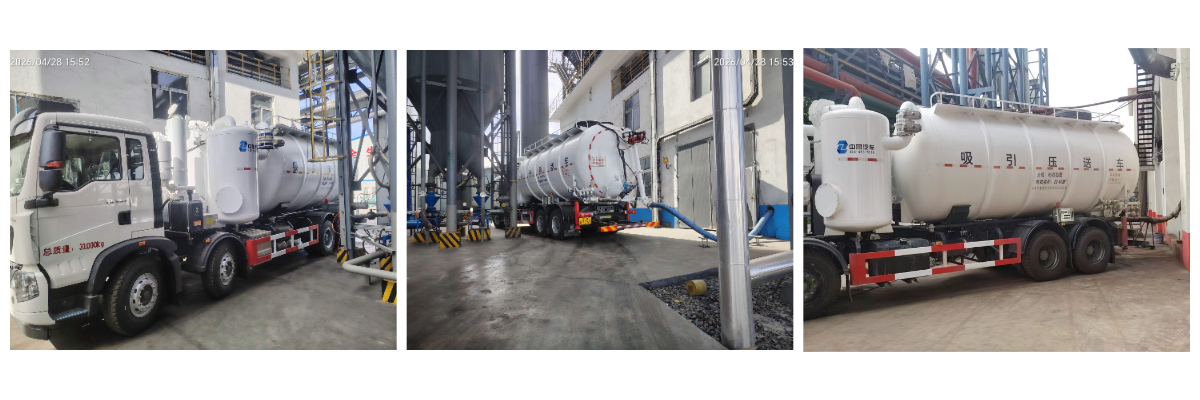
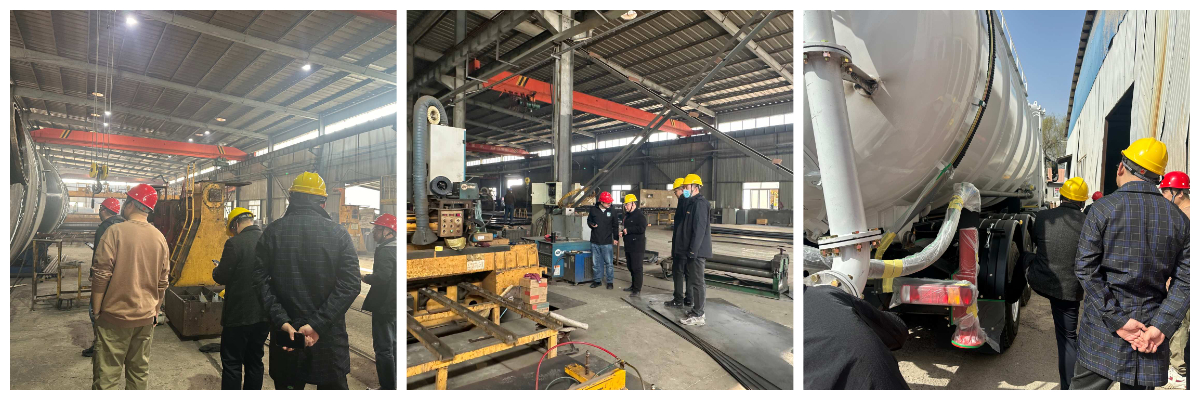
Посещение фабрики клиента
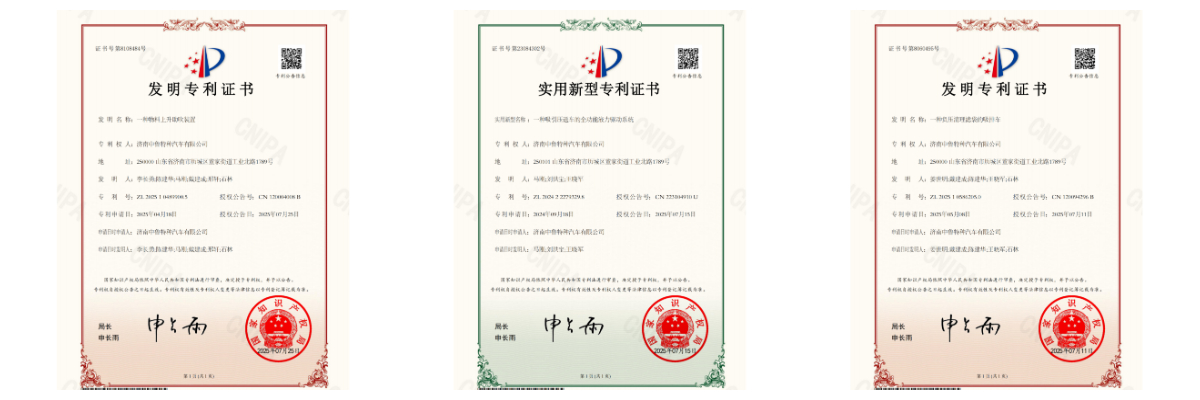
Патентный сертификат